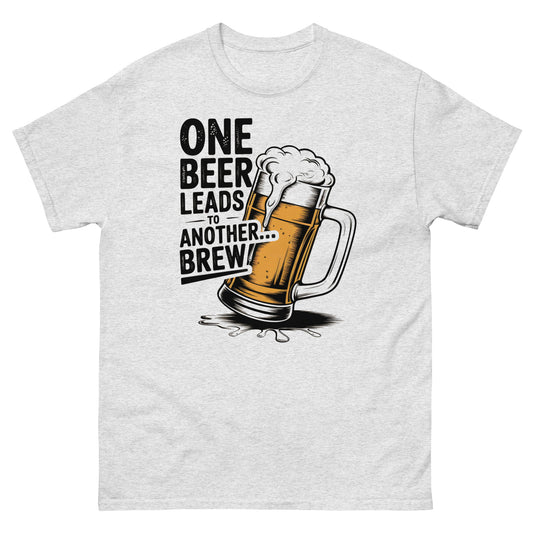
How to Brew Delicious Beer in 7 Days without Complicated Equipment or Costly Mistakes
7 days to your first brew: the no-fuss way to homebrew greatness
James Squire once said good beer takes patience—but what if you could sip your own in a week? You’ve always wanted to make your own brew, but maybe you’ve told yourself it’s too messy, too tricky, or too expensive. The question’s been bubbling away in the back of your mind: could you actually pull it off without a brew lab or a science degree? Turns out, yes—and it tastes pretty damn good too.
Here’s the before and after that’ll make you grin: last Sunday, one bloke from town grabbed a basic starter kit, followed a simple guide, and by this weekend he’s pouring his first beer—clear, golden, and properly fizzy. Seven days. That’s all it took.
The old myth—and the new reality
There was a time when homebrew meant half-baked experiments in the laundry, exploding bottles, and beer you wouldn’t serve to your worst enemy. These days, things have changed. Kits are cleverer, ingredients fresher, and guides simpler. It’s more paint-by-numbers than chemistry class. And the best part? You get to say, “Yeah, I made that.”
That shift—from mystery to mastery—is what’s got so many locals brewing again. With clean fermenters, portioned ingredients, and no-nonsense gear, brewing has gone from intimidating to inviting.
Day-by-day: your 7-day brew sprint
If you’ve got a shed, a steady hand, and a hint of curiosity, here’s how your week could look:
- Day 1: Clean, sterilise, and mix your brew kit wort (that’s the malt concentrate and water base). Add yeast, seal it, and let it do its thing.
- Day 2–4: Fermentation magic. You’ll see bubbling in the airlock—that’s CO₂ escaping as yeast turns sugar into alcohol.
- Day 5: Ready to bottle. Add a small scoop of bottling sugar to each sanitized bottle for natural carbonation.
- Day 6–7: Let the bottles rest in a warm spot to build fizz. They’ll clear up, and the flavour settles beautifully.
- Weekend: Chill, pour, and taste your first true homebrew. You did it.
What you really need (and what you don’t)
People often overcomplicate the brewing gear checklist. You don’t need fancy digital controls or stainless steel towers. For your first run, here’s plenty:
- A 30L plastic fermenter with an airlock
- A hydrometer (helps you know when fermentation’s done)
- A stirring spoon, thermometer, and bottles
- Fresh ingredients—malt, yeast, hops
- Good advice from someone who’s brewed before—it saves a heap of guesswork
“Homebrewing isn’t about being fancy—it’s about being proud of what’s in your glass.”
– Candeece, Homebrew Specialist
How fast brewing became smart brewing
It used to take three solid weekends to brew something drinkable. Now? Modern kits cut time and confusion by half. Fresh yeast strains work faster in Aussie temperatures, and even entry-level fermenters come with simple spigots to make bottling less of a chore. Quality gear has levelled the playing field—you can start basic and still pour a beer worth sharing.
Why the first sip matters most
That first bottle might not be perfect, but it’ll be yours. The pride doesn’t come from perfection—it comes from doing. You’ll notice the tiny bubble trails, the way the head holds its shape, the notes of malt and hops mingling like a good handshake. And here’s the funny thing: once you brew your first batch, the next few steps come naturally. Like seasoning a BBQ—each round gets better.
The science hidden behind the shed door
You don’t need to be a lab tech to get this right, but a few small habits make the biggest difference:
- Keep everything clean. Yeast is your mate, bacteria isn’t.
- Mind the temperature. 18–24°C is the sweet spot for most ale yeasts.
- Give fermentation time. Bubbling slows? Don’t rush it—wait at least one calm day before bottling.
Brewing’s half science, half patience, with a splash of intuition. Once you trust that rhythm, it’s smooth sailing.
The local advantage
Brewing in South Aussie weather means gear choices matter. The right fermenter seal keeps flies out, a heating belt keeps yeast active through cool nights, and tap water blends nicely for certain beer styles. This local understanding—the balance between conditions, equipment, and ingredients—is what makes small-town brewing special. It’s less about fancy gear and more about smart choices.
Beyond beer: what this really teaches you
Here’s the bigger picture. Brewing your own beer isn’t just about the drink—it’s about what it says about you. It’s proof you can take something everybody buys and make it your own. It builds confidence, patience, and connection. That’s why homebrewers talk about their batches like they’re stories, not just drinks.
Every bottle carries a quiet moment of pride: the day you cleaned the gear, stirred the mix, and trusted the process. That’s the moment that sticks.
The new breed of weekend brewers
All across rural towns, backyard sheds are turning into little breweries. Mates helping mates, sharing gear, swapping yeasts, and comparing first pours. It’s part of a growing movement to make things by hand again—to prove that good beer doesn’t need a corporate logo or a city postcode.
And honestly, once you’ve cracked your first homebrew, store-bought starts tasting a bit… flat.
The mic drop
You could wait years to “get around to it.” Or you could start now, let the fermenter bubble this week, and pour your first beer by the weekend. Seven days from now, you won’t just have beer—you’ll have a story worth raising a glass to.
Cheers,
Candeece

Stay Connected
Join our homebrewing community: Beer and Barrel Society on Facebook
Follow our Facebook Page: Strathalbyn H Hardware on Facebook