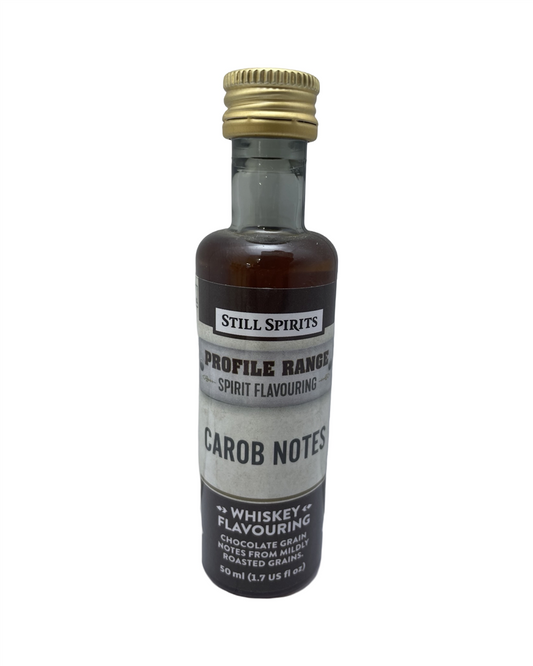
Still Spirits kits may be legal — but is your hobby putting you at real risk?
Is That Still Legal? What You Need to Know About Home Distilling in Australia
Sheds all over Australia are humming with the quiet joy of craft. Tucked behind workbenches, under shelves of flavouring bottles, or beside the old Weber, more and more hobbyists are trying their hand at distilling spirits at home. But there's one question that never quite fades, often whispered on the shop floor or snuck into a casual convo over a beer: "Can I legally distil spirits in my backyard?"
Let’s clear the air with the straight answer
In Australia, it is illegal to distil spirits at home without a license—even for personal use. This includes using a reflux still, pot still, or any device capable of producing alcohol through distillation.
That might surprise a few folks, especially given how easy it is to buy distillation equipment from reputable stores. But here’s the twist: owning the gear is entirely legal. Using it to make essential oils or purified water? All good. Fire it up to create home-distilled rum or whiskey? That’s when you step into illegal territory—unless you’re licensed.
"Australia’s laws are black and white on this—they treat home-distilled spirits the same as commercial production. The difference is tax, traceability, and safety." – Candeece, Homebrew Lead
The Licencing Side of Things
To legally distil alcohol in Australia, you need a Distiller’s Licence issued by the Australian Tax Office (ATO). The process is detailed and designed for commercial producers. It includes:
- Submitting an application and business plan
- Demonstrating control over location and safety
- Agreeing to regular inspections and record-keeping
- Paying excise (tax) on every drop produced
So while technically possible, for most hobbyists it’s more paperwork than pleasure.
Why the Law Is So Tight
Historically, unregulated spirit distillation carried serious risks—both to drinkers and the tax office. Methanol poisoning in poorly made brews is no myth. Plus, governments rely on excise tax from alcohol to fund key services.
You’ll often hear mates in the shed say, “It’s legal in New Zealand, why not here?” And they’re right—Kiwi hobbyists can legally distil small batches at home, no license required. But across the Tasman, regulations were relaxed in 1996, where personal responsibility took centre stage. Australia, on the other hand, has held firm to its more restriction-heavy path.
The Gear vs The Guts
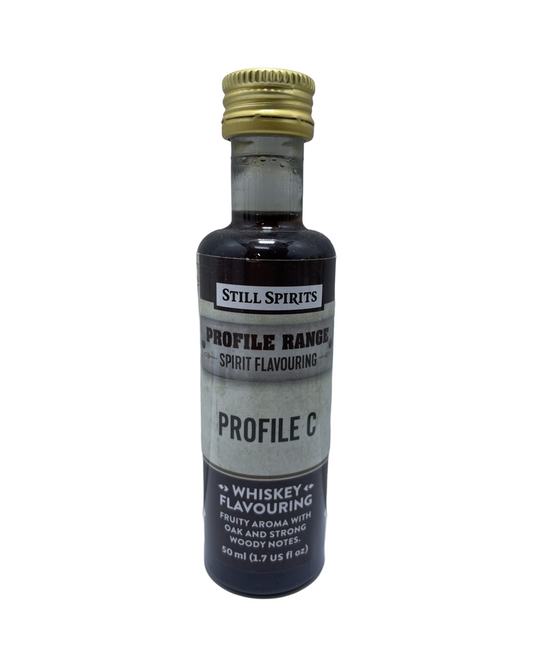
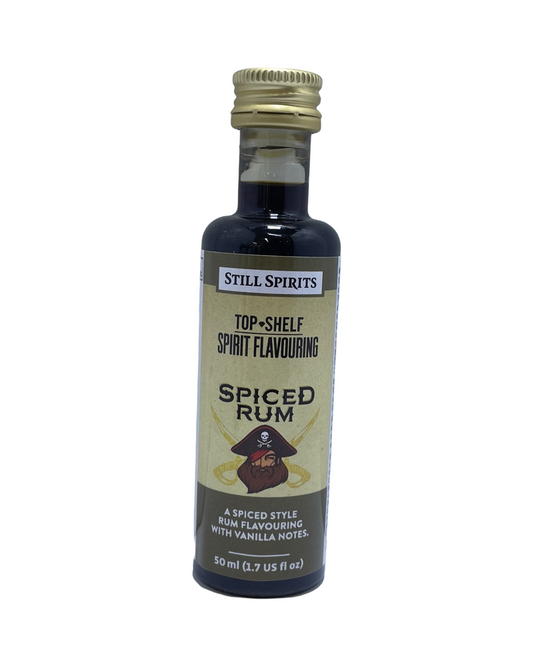
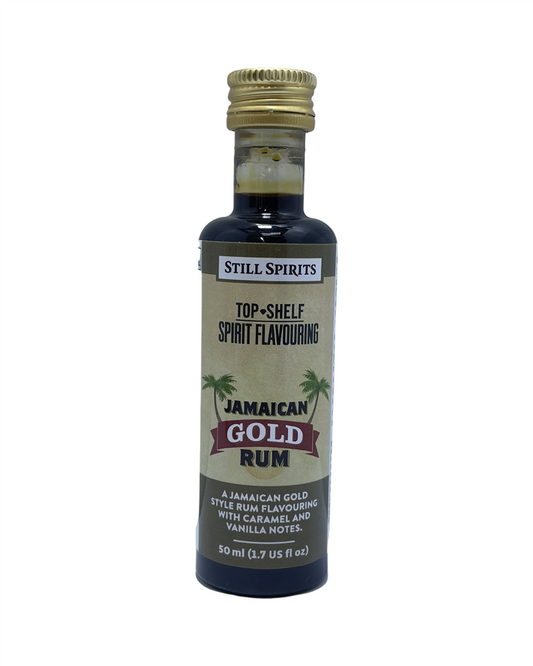
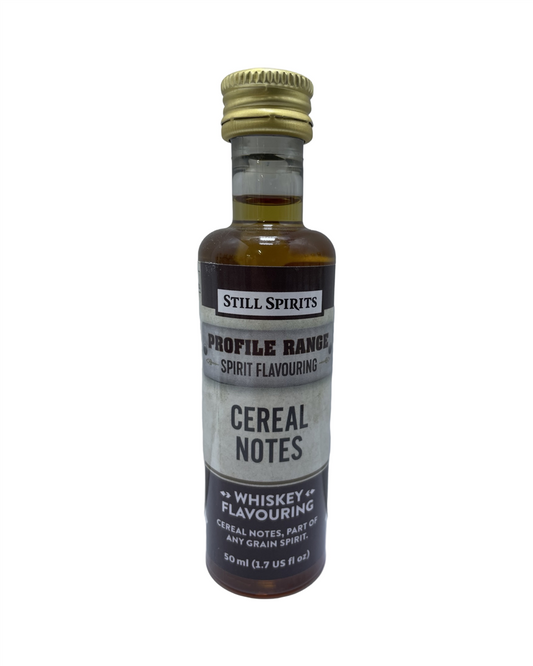
Now here’s where the contrast kicks in. You can absolutely walk into a shop and buy a 25L reflux still. You can pick up charred oak chips, spiced rum flavourings, carbon filters, and a digital temperature controller that’d make a lab tech jealous. And all of it’s legal—right up to the line.
Think of it like buying a rifle in the country. Owning it? Not the issue. What you do with it matters most.
“But Everyone’s Doing It…”
Sure, there’s a quiet culture of backyard distillers across rural regions. Some keep it hush. Some post cryptically on forums. Some just gift their mates a bottle of ‘apple pie moonshine’ and leave it at that. But legality doesn’t bend to popularity.
And here's the sticky bit: being caught distilling without a license can lead to serious fines or prosecution, especially if your setup is discovered through an accident or complaint.
So Where Does That Leave You?
This isn’t about scare tactics—it’s about informed choice. There’s magic in crafting your own spirits, no doubt. But it’s wise to understand the lines drawn in ink, not chalk.
That said, you can still enjoy all the ritual and reward of home spirits without breaking the law. Here’s how:
- Use pre-distilled bases: Start with neutral spirits like vodka and infuse your own flavours using essences, botanicals, or ageing woods. It’s completely legal and wildly creative.
- Perfect your post–distillation flair: Think: Irish creams, spiced winter rums, or citrus liqueurs using commercial alcohol. The artistry is still real.
- Focus on flavour design: Tweak ingredients, develop your own recipes, and master finishing techniques like ageing or charcoal filtration.
And if you’re dead-set on distilling from scratch, apply for that license and do it the legit way. Some passionate small-batch distillers have gone the full mile—what started in a backyard became a brand.
The Shed Perspective
At the end of a long week, there’s something deeply satisfying about leaning over a bench, tasting your latest blend and knowing you did it yourself. Legal or not, that spirit of creation is here to stay.
But understand this: The recipe for satisfaction doesn’t need lawbreaking. It just needs thought, taste, and a bit of creativity.
Tread wisely, enjoy deeply—and keep asking questions. That’s how the best brewers, distillers, and makers are born.
Cheers to your next batch,
Candeece

Stay Connected
Join our homebrewing community: Beer and Barrel Society on Facebook
Follow our Facebook Page: Strathalbyn H Hardware on Facebook