Jack Daniel’s started this way — your homemade spirit can age into something legendary too.
Turns out Jack Daniel’s nailed this decades ago — your shed setup can too
Simple tips to store and age homemade spirits (without losing character)
Your first batch? Probably strong. Your best batch? Aged just right.
There’s a reason every great distiller swears by their ageing process. Proper storage and ageing doesn’t just make your spirit smoother — it softens harsh notes, deepens flavour, and lets it mature into something you’re proud to pour, not just something that’ll do the job.
Here’s the kicker: ageing spirits isn’t only for the big distilleries or oak-barn setups in the Highlands. If you’ve got a corner of your shed, the right container, and a bit of patience, you’ve got everything you need to start building flavour that lingers for the right reasons.
Why ageing changes everything
Newly distilled spirits are often nicknamed “white dog” or “moonshine” for good reason — they bite. Raw and sharp, they haven’t mellowed or developed the flavours that come with time. But deliver that spirit a home — somewhere stable, dark, and sized right — and something magic happens.
"Ageing isn't just waiting. It's shaping." — Candeece from the brew crew
The spirit literally breathes with its surroundings, drawing in trace elements from barrels or oak chips, smoothing out any rough patches, and rounding off sharp edges. What starts out like jet fuel can finish gentle and complex — just from time and a little timber.
The three factors that matter most
1. The container you choose
You’ve got two main roads here:
- Oak barrels: Yield rich, layered flavours — think vanilla, spice, caramel. American oak leans sweet while French oak can give deeper spice notes. Even a 5-litre barrel can work wonders in a few months.
- Glass demijohns with oak chips or staves: Cost-effective and lets you control the oak-to-spirit ratio. Just sanitise everything and use food-grade gear made for spirits, not random wood from the shed.
2. Temperature & light control
Ageing doesn’t like drama. Keep your spirit in a place that stays cool and dark. Steady temperatures (between 15–20°C) are perfect — sheds usually work fine if they’re insulated or temp-stable. Direct sunlight? That’s a flavour killer. UV can break down the compounds you're trying to preserve.
3. Time: letting it breathe, not just sit
Big distilleries often age for years — but don’t stress, you can still achieve great results in shorter bursts with the right surface area and oak impact. Here’s a rough guide:
- 2–4 weeks – Fast flavour from oak chips or essences. Great for holiday brews or first-timers.
- 3–6 months – Balance starts to shine. Honeyed notes, vanilla edges, smoother mouthfeel.
- 12+ months – Deeper complexity. Think sipping by a fire, not mixing in coke.
Just sample along the way, make notes, and know when to bottle — sometimes 3 months tastes better than 13.
The common mistakes that mess with flavour
Even seasoned brewers forget these at times. Here are the big ones to avoid:
- Over-oaking – More oak isn’t always more flavour. Too much too fast = bitterness.
- Under-proof ageing – Spirits age best between 55–65% ABV. Below that, they lose extraction power. Dilute after ageing, not before.
- Skipping filtration – Activated carbon filters help clean up unwanted byproducts and off smells. If it stinks before ageing, time won’t help.
- Plastic containers – Just don’t. Use glass, stainless, or sanctioned barrels only.
What to age (and how to make it shine)
Some spirits take to ageing like a duck to water. Others? Not so much. Here's what works beautifully:
- Whiskey/Bourbon: Oak is non-negotiable. Try charred American oak with hints of maple or caramel essence.
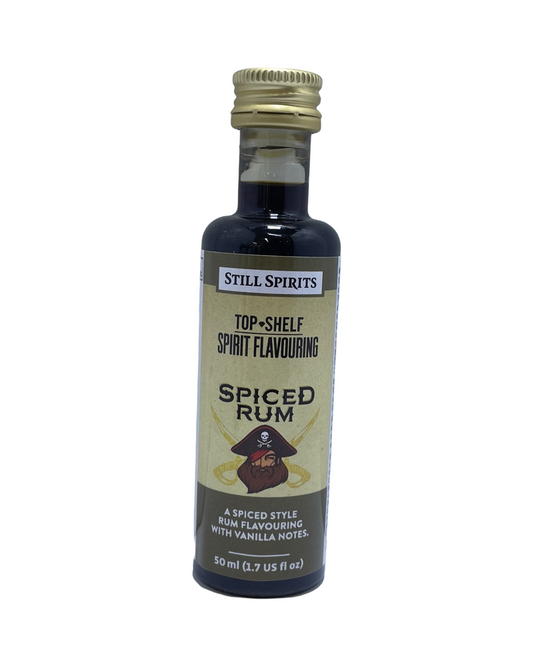
- Rum: Light oak ageing works wonders. Spice it up post-ageing with cinnamon, clove, or citrus peels.
- Brandy: Go slow and steady — clean finish and deep plum or raisin tones develop over time.
- Vodka/Gin: These are better kept unaged or briefly mellowed with filtration and botanical tweaks.
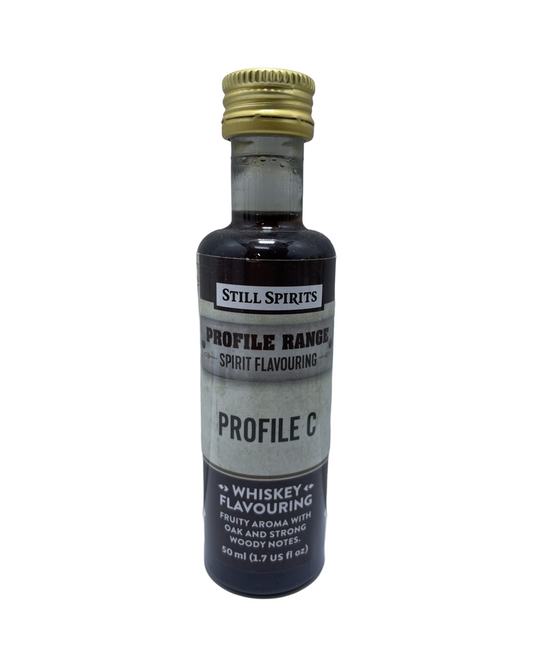
And remember, essences like those from Edwards or Still Spirits can add layers without dominating the base. Think of them like seasoning — not a substitute for quality, but a way to bring it to life.
Smart ageing hacks from the shed floor
- Use baby barrels: More surface area per litre = faster ageing. Perfect for small batches.
- Blend old with new: Mix 90% aged spirit with 10% freshly distilled to keep some zip without harshness.
- Date every batch: You’ll thank yourself later. Especially when comparing your first solid blend to the fifth.
Age it to mean something
The best spirits aren’t aged because someone said that’s how it’s done — they’re aged with purpose. To reflect time spent. Care taken. Lessons learned. You might start off chasing flavour, but by the time the bottle’s corked, you’ve captured more than taste. You’ve bottled pride, patience, and the kind of story you’d pour for your closest mates when the fire burns low and conversation runs deep.
Turns out, the secret to great spirits was never just the still — it was the time you gave them after.
Catch you in the aisle,
Candeece

Stay Connected
Join our homebrewing community: Beer and Barrel Society on Facebook
Follow our Facebook Page: Strathalbyn H Hardware on Facebook