Gordon Ramsay tracks everything — smart brewers do too… or risk another rubbish batch.
Perfecting Every Pour: Why Tracking Your Brew Process is the Missing Ingredient
Primary keyword: brewing process
Complementary keywords: home distilling log, brew tracking tips, better homebrew
Gordon Ramsay logs every tweak in his kitchen — and if you’re serious about nailing your homebrew, you should too. Let’s be honest: you’re not just chucking ingredients into a tub; you’re crafting something worth savouring, worth sharing, maybe even worth bragging about. But what if the difference between “pretty decent” and “phwoar, that’s smooth” came down to what you wrote down — or didn’t?
“Used to taste ‘alright.’ Now it’s miles better — just from tracking my batches properly.”
Your brew log isn’t just a notebook — it’s your brewing memory. And once you start, you’ll wonder how you ever brewed blind.
Why Tracking Matters (and Why Most Don’t Bother)
Look, most folks think they’ll remember the good batches. But come batch ten, they’re scratching their heads — was it the cloudy water, the re-used yeast, or that extra spoon of sugar?
Memory’s dodgy. Notes aren’t. Tracking gives you the truth, batch by batch. It helps you:
- Repeat wins without winging it
- Spot what went wrong before you taste it
- Pinpoint how changes affect taste, yield, or clarity
It’s like having a brewmaster in your back pocket — but it’s actually you, just more switched on.
What the Pros Track (And You Can Too)
You don’t need to turn into a data nerd. But if you want spirit that’s smooth enough to serve with pride, here’s what’s worth tracking every time:
- Start Date: Seems obvious. Half forget it.
- Recipe & Ratios: Note weights, brands, even water source.
- Yeast or Essence Used: Write the full name, not just "the blue one".
- Fermentation Temp: If you don’t have a reading, describe the shed – was it a scorcher or cold snap?
- Gravity Readings: Start & finish. Sugar-to-booze is maths, mate.
- Filtering Method: Carbon, ceramic, speed filter — write it down.
- Distillation Notes: When did you cut heads? What temp did hearts appear?
- Tasting Feedback: Give it a score, and don’t sugarcoat it.
One bloke started tracking after a roofer mate said his “rum tasted like cough syrup.” Five batches later, he nailed one that “tasted like Bundy’s older brother.”
What It Looks Like in Practice
Here’s how the brew notes of an average home distiller went from vague to high-level with one simple change: intention.
Old:
“Tuesday – started a bourbon. Yeast in. Should be good.”
New:
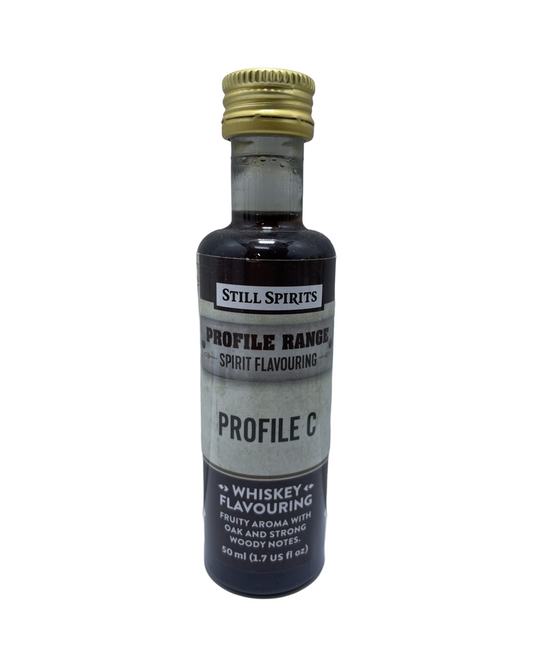
“Tues 3 Oct – Bourbon blend 3. 6kg dextrose with 25L rainwater (filtered). Used Still Spirits Classic Whiskey. OG 1.070. Temp: shed sat 22-23°C during day, heater belt overnight. Fermenter cleaned with sodium percarbonate night before. Aimed for smoother finish this round. Will check SG Friday.”
Guess which one gets better results?
Simple Tools That Actually Work
You don’t need a fancy app (unless you love that kind of thing). Here’s what’s proven to work:
- A Notebook: One place for all batches, inside cover labelled with quick conversions
- Printable Log Sheets: Easy to re-use, lay flat in the shed
- Whiteboard Tracker: For fermenters-in-progress – lets you see at a glance what’s on the go
- Phone Notes + Cloud Backup: For blokes who’ve dropped a notebook in the wash (it happens)
Some distillers even keep their tasting notes in a glass cabinet with their best bottles — a quiet tribute to craft and care.
Fixing Common Failures: Track It to Tame It
If your last spirit came out cloudy, harsh, or strangely sweet, chances are the fix is hiding in your notes — or lack of.
- Cloudy finish? Check what filtering you skipped or if the fermentation temp had wide swings.
- Off smell? Look at pitch temp, sanitisation notes, and yeast history.
- Too weak or watery? Gravity readings give it away — maybe didn’t fully ferment or diluted early.
Once you tag a pattern, you don’t repeat it. You outsmart it. That’s how proper distillers level up — not luck, just better notes.
Build Your Own Back-Shed Brew Bible
Call it old-school, but there’s power in building your own brew log — one that spans years. You see your evolution. You learn your quirks. You find your signature style. It’s like a personal cookbook for your spirits.
Want to go the extra mile?
- Snap a photo of every label or finished result
- Jot mate reviews (“Daz said best one yet”)
- Star your top three batches each year
Before you know it, you’re not just making spirits — you’re building a legacy in bottles.
“Used to take 3 hours to tweak a recipe. Now one look at old logs shows me exactly where to start.”
Here’s the thing
You don't become the best distiller on the block by chance. You do it by caring enough to write it down, learn from the flop batches, and do it better next time. And once you do — you’re not just making spirits. You’re mastering them.
Catch you next batch,
Candeece

Stay Connected
Join our homebrewing community: Beer and Barrel Society on Facebook
Follow our Facebook Page: Strathalbyn H Hardware on Facebook