
Why trims flake and yellow, and what stops it
The enamel for trims that does not go yellow on you
Why Haymes UV Superior Enamel suits trims, doors, window frames and skirting
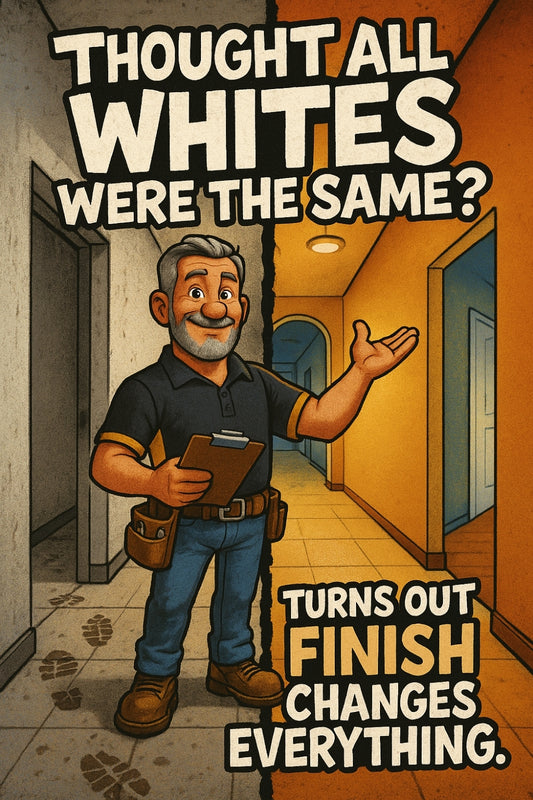
Trims cop more contact than any other painted surface in a house, which is why they go patchy long before the walls do, and it is usually the paint rather than the painter. Wall paint is not built for a surface that gets knocked and leaned on, so it wears through at the edges and shows every mark.
That is the job Haymes Ultratrim UV Superior Enamel is built for.
What makes it different
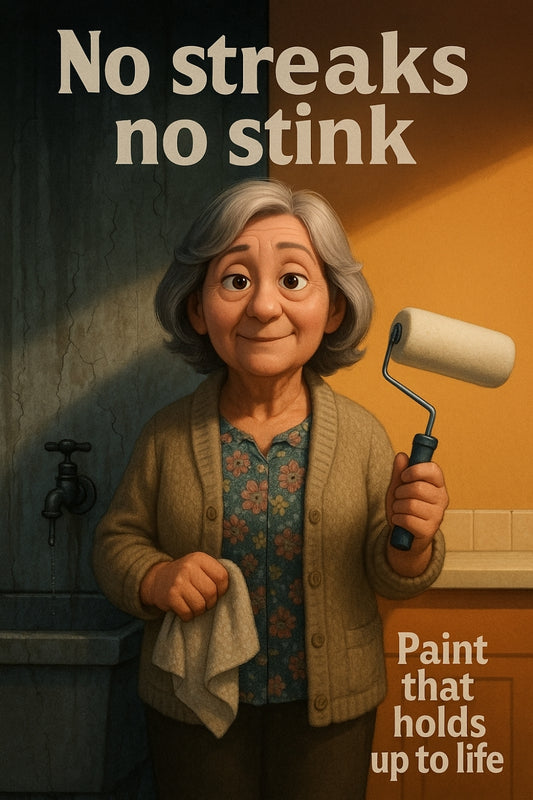
You want something that goes on smooth, does not stink the house out, does not go yellow over time, and can handle life happening, so grubby hands and the occasional indoor footy accident.
- Water based acrylic. Easier to clean up and far lower odour than solvent enamel.
- Hard wearing like enamel. It dries to a tough film that does not chip at the first knock.
- Non yellowing. White stays white, which is the failure that shows up on old solvent enamel in sunlit rooms.
- Quick to recoat. The recoat time is printed on the tin, so work to that rather than to the clock.
It works across trims, doors, window frames and skirting, including older timber that has seen some things, and it suits interior and exterior use so you are not left with two part tins in the shed.
Old solvent enamel against a modern acrylic one
If you have used the stuff at the back of the shed that smells like it was made in the eighties, you will know the pattern. You paint, you wait, you wait some more, and it still scuffs if you look at it funny. A modern acrylic enamel dries a good deal faster, holds up better, and covers heavily enough that one careful coat does most of the work.
The fiddly bits get easier
Putting a clean gloss on window frames or cutting in around skirting is where most people come unstuck, and a paint that levels out properly does a lot of that work for you. The brush drags less, the coverage evens itself out, and the finish forgives a hand that is not perfectly steady.
Where it earns its keep
- Front doors, where a bold colour has to survive heat and storms without chipping.
- Kitchen trims, which cop sauce and sticky fingers and need to wipe clean.
- Upcycled furniture and bed frames, where a durable semi gloss finish holds up to daily handling.
It comes in High Gloss and Semi Gloss. High gloss shows every filled nail hole, and semi gloss hides a multitude, which is the decision most people are actually stuck on.
What to use with it
- Haymes Tricoat Ultra Primer. Proper prep is half the job and the primer is what gets the enamel to sit down and stick.
- An angled sash brush. Cut in along a trim edge with the short side of the bristles and it is a different job.
- Low tack masking tape. Keeps the line crisp without pulling fresh paint off when you lift it.
And if you are not sure where to start, drop into the shop. We mix and tint to order from the Haymes range we stock, and we will talk you through the prep before you open anything.
The real win
You do not need to be a tradie to get a trim job you are happy with. You need a paint built for the surface, a bit of prep, and the patience to let a coat go off properly before you touch it. That is most of the difference between a finish that lasts and one you are redoing next winter.
Cheers,
Candeece

Stay Connected
Follow our Facebook Page: Strathalbyn H Hardware on Facebook